A deep dive into the bioavailability of ascorbic acid in capsicums and how heat affects their nutritional density.

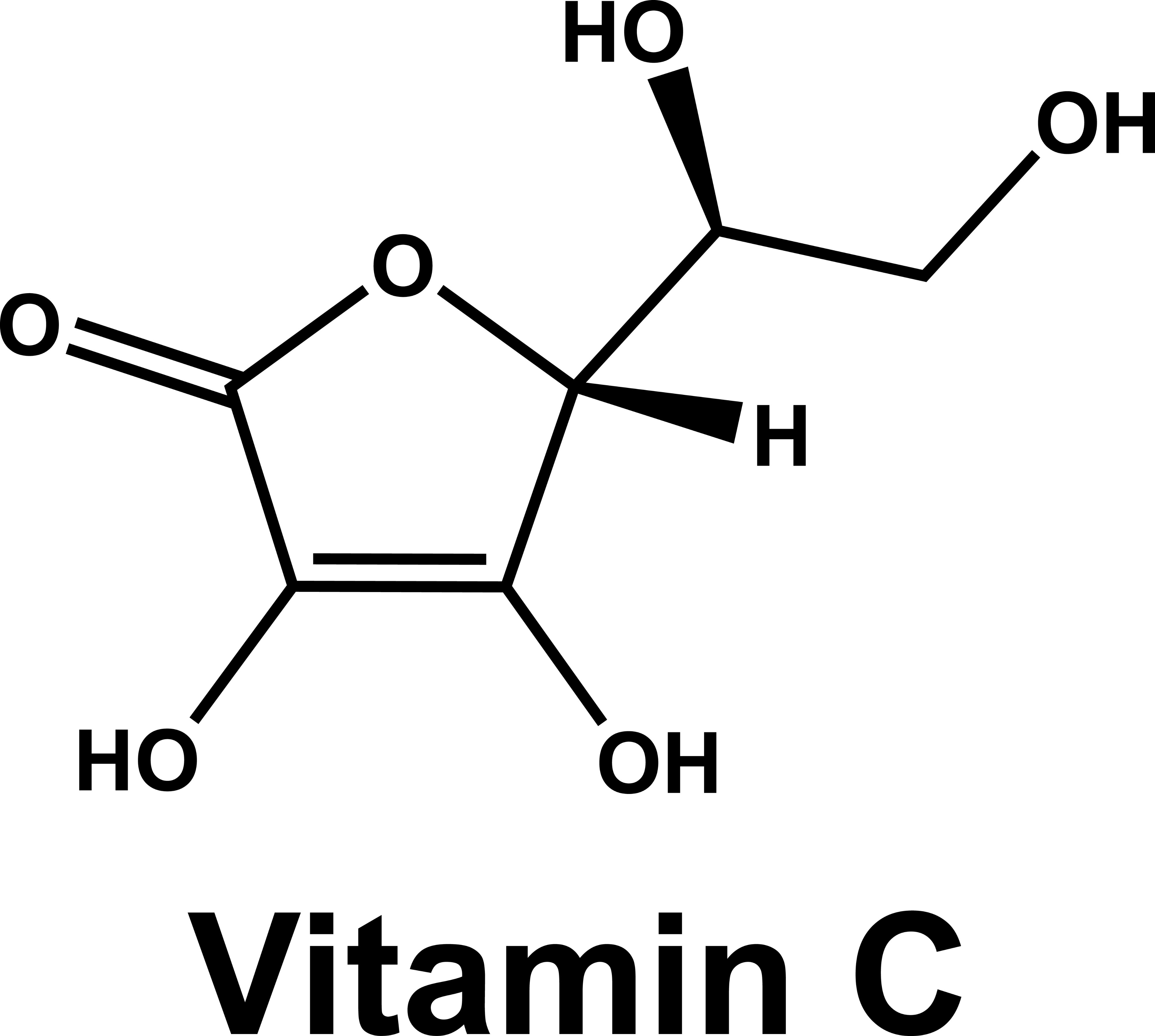
While common dietary wisdom often points toward citrus fruits like oranges and lemons as the primary defenders of the immune system, modern nutritional analysis reveals a different champion. The bell pepper, specifically the fully ripened red variety, offers a concentration of Vitamin C that dwarfs most common fruits. This article explores why this vegetable is a cornerstone of integrative nutrition and how its chemical structure benefits the human body.
Shutterstock
Explore
The journey of a bell pepper from green to red is not merely a change in color; it is a complex chemical transformation. As the fruit matures on the vine, its chlorophyll content decreases while its antioxidant profile skyrockets.
Research indicates that a green pepper, while still healthy, contains only about half the Vitamin C of its red counterpart. By the time a pepper reaches its deep crimson stage, it has accumulated nearly 190mg of Vitamin C per 100 grams. To put that in perspective, that is more than double the amount found in an equivalent serving of orange juice, without the associated spike in fructose.
A significant challenge in utilizing bell peppers for their Vitamin C content is the inherent instability of the nutrient itself. Vitamin C is water-soluble and highly sensitive to thermal degradation.
When you boil a bell pepper, the cellular walls break down and the Vitamin C leaches into the cooking water, often resulting in a 50% loss of nutritional value. To maintain the highest possible bioavailability, our research suggests three specific approaches:
The bell pepper does not work in isolation; it is a matrix of health-promoting compounds. Beyond Vitamin C, it contains high levels of Vitamin B6 and folate, which are essential for neurological health and the formation of red blood cells.
Furthermore, red bell peppers are rich in specific carotenoids like lutein and zeaxanthin. These compounds act as internal filters for the human eye, protecting the macula from oxidative damage caused by blue light. When consumed with a small amount of healthy fat—such as olive oil—these nutrients become significantly easier for the gut to absorb and utilize.
The impact of consistent bell pepper consumption is visible across multiple body systems:
Collagen Production and Skin IntegrityVitamin C is the essential co-factor for the enzymes that cross-link collagen fibers. Without adequate intake from sources like bell peppers, the body cannot repair skin tissue efficiently or maintain the integrity of joints and ligaments.
Enhanced Iron AbsorptionOne of the most overlooked benefits of the bell pepper is its ability to "unlock" iron from other foods. Consuming a red pepper alongside plant-based iron sources (like spinach, lentils, or beans) increases the absorption of that iron by over 60%. This makes the bell pepper a critical tool for those managing anemia or following plant-based diets.
The bell pepper is more than a culinary garnish; it is a pharmaceutical-grade delivery system for antioxidants. By prioritizing raw or lightly cooked red varieties, individuals can significantly bolster their immune resilience and structural health through simple dietary intervention.

.svg)